Style
Luxury and sustainable development: A closeup of the new responsible materials
By Paloma Frère | On Friday 14 October 2022
Follow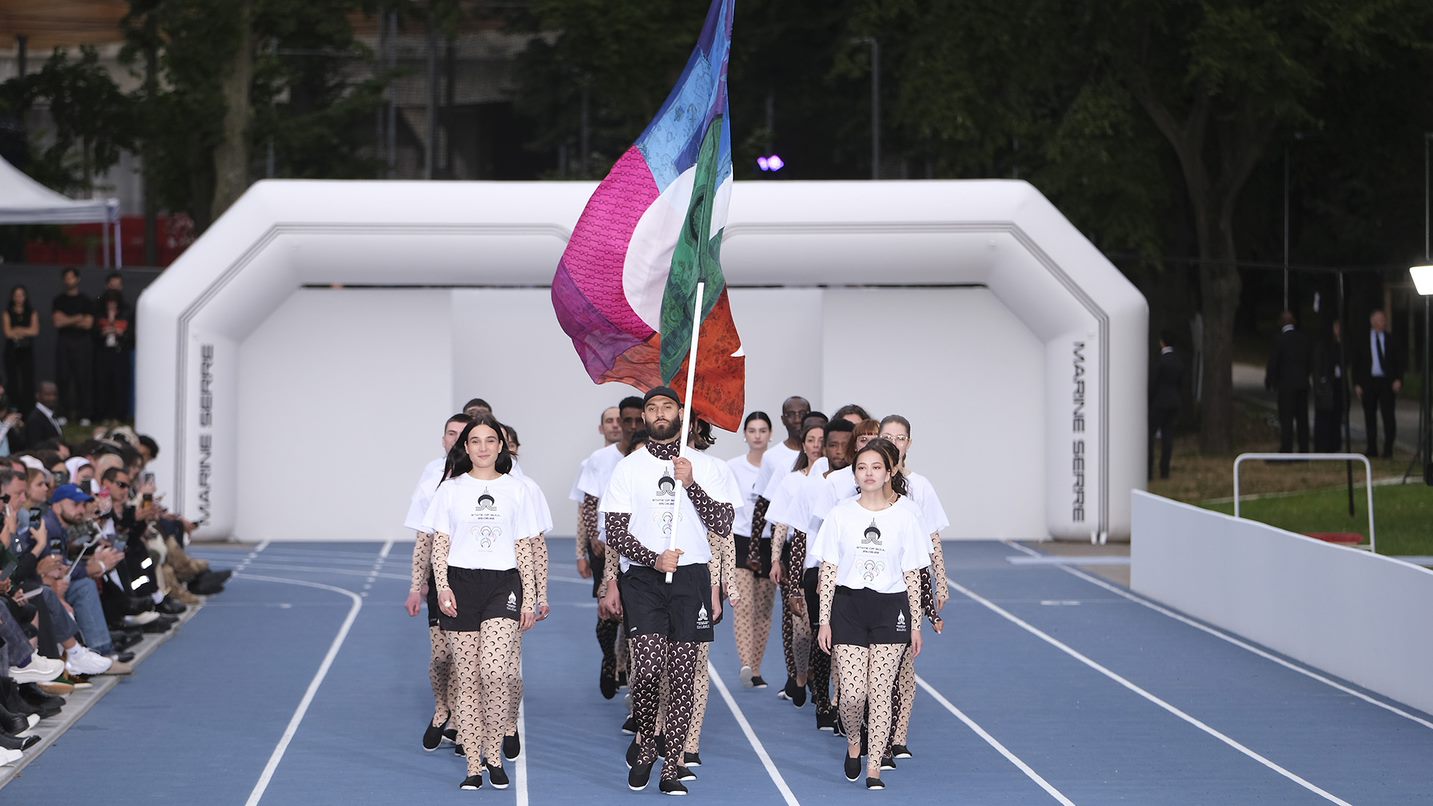
Becoming increasingly responsible over the last years, brands are committed and offering more alternatives to the most-used materials in the world of fashion. Here's a closeup of the virtuous practices in the fashion sphere, featuring natural or mixed fibres as well as recycled or upcycled fabrics
If luxury houses seek to, in essence, offer pieces capable of transcending style through their quality and timelessness, the environmental challenges, like the management of waste, pollution and water, endure. It's therefore natural that for the last few years, the sector has been oriented towards sustainable materials, trying to find alternatives to cotton, leather and synthetic materials. Zoom in on several of these brands.
The era of natural fibers has arrived
The era of natural fibres has come.
Biopolymers, or textiles components made from renewable organic material, are biodegradable alternatives to classic fossil components. Used as a half-synthetic, half-biodegradable (mixed) raw material or as a component of other new materials, they represent a real advancement in the management of textile waste.
Cotton, while a natural fibre, requires a lot of water as well as chemical agents in order to be cultivated. The consumption of water and the pollution of soil are two black marks against the classic production of this material. However, certain organic-labelled cottons are made without chemicals and with a reduction in water usage during cultivation.
Another very promising alternative to classic cotton is plant fibre. It requires a technology that allows agricultural waste product to be turned into textile fibre. This innovation repurposes agricultural by-products like banana, pineapple or bamboo leaves. The real plus of this textile fibre, compared to traditional cotton, is that it does not require pesticides, fertilisers or irrigation.
And then, there's Lyocell! It's a material made from ground wood pulp that is chemically transformed. The advantages of this material are that it's 100% biodegradable; and that the water and chemicals used in its processing can be extracted and reused.
Old is the new new!
Old is the new new!
Recycling is a simple gesture for the environment that helps to repurpose materials destined for disposal, reduce pollution, and preserve natural resources. Most often, it is synthetics like polyester that are recycled, but not only! We also recycle very well “natural” materials like cork for our soles, for example! Extracted from the bark of the cork oak, it is renewable and 100% organic. The advantage of organic materials is that it limits the dispersion of microplastics in wastewater.
At Printemps, it's all about starting off on the right foot with shoes! Recycled rubber, recycled polyester, recycled cork, there’s something for everyone:


From leather to craftsmanship
Working with leather
Material of our it-bags favorites, animal leather is a controversial topic. But again, there are many alternatives. For mixed fabrics, we find AppleSkin and Desserto. Apple leather is a material made from industrial apple waste. The waste is ground into powder and then mixed with synthetic polymers. Desserto, another mixed leather alternative, is made from cactus skin and synthetic components. These leather alternatives allow for the production of a material with the same characteristics as leather.
But advancements in plant-based leather go even further! Mylo, made from mycelium, the fruit of mushrooms, is a plant-based leather fabric that is 100% biodegradable. This 100% plant-based component is grown in conditions that replicate forest soil ecosystems. Once harvested, the fabric is ready to be tanned, dyed, and finished like traditional leather fabric!
Upcycling
Upcycling
Tomorrow's materials are yesterday's. To revalorise existing fabrics, we can upcycle them! Upcycling, in fashion, is to give value to fabric scraps, dormant stock or old clothing!
partner brands Salut beauté and Marine Serre, precursors of upcycling, show how the future of fashion is not based only in new materials, but also in the reconditioning of existing materials.


les marques unis-vers le beau responsable


